➡️ INTRODUCTION
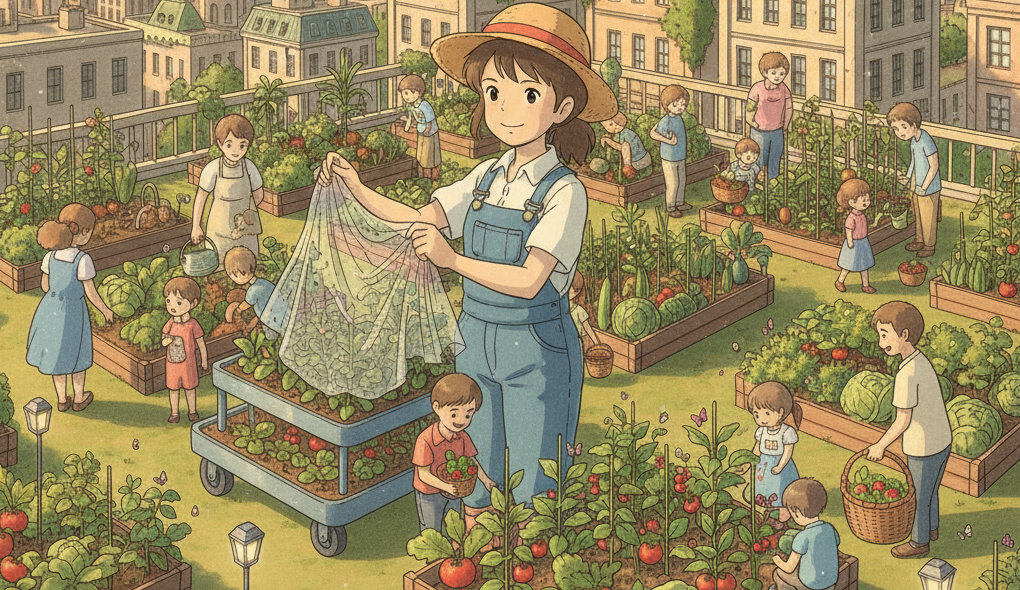
→ Urban farming is becoming increasingly popular as more people look for ways to grow fresh food in cities. From rooftops and balconies to small backyards and community spaces, urban farming offers health, economic, and environmental benefits. However, farming in urban areas also comes with unique challenges such as limited space, poor soil quality, water management issues, and pest control problems. Understanding these challenges and learning practical solutions can help urban farmers grow healthy crops successfully. This guide explains common urban farming challenges and provides simple, effective solutions that anyone can apply. By following these practices, urban farmers can improve productivity, reduce costs, and enjoy sustainable food production even in small spaces.
➡️ Key Points / Benefits
→ Helps identify common urban farming problems early
→ Provides practical, low-cost solutions for small spaces
→ Improves crop health and yield in urban environments
→ Reduces resource waste such as water and fertilizers
→ Supports sustainable and eco-friendly farming practices
→ Builds confidence for beginners and small-scale growers
🔵 1️⃣ → Limited Space and Smart Growing Solutions
One of the biggest challenges in urban farming is limited space. Many urban farmers work with balconies, terraces, rooftops, or small yards, which restricts traditional farming methods. However, smart space management can overcome this issue.
Practical solutions include:
- Vertical gardening using wall-mounted planters or shelves
- Growing plants in containers, grow bags, or hanging pots
- Using multi-level racks to maximize vertical space
Step-by-step tips:
- Measure available space and sunlight exposure
- Choose compact or dwarf plant varieties
- Arrange plants to avoid shading each other
With proper planning, even a small area can support productive vegetable and herb gardens.
🔵 2️⃣ → Poor Soil Quality and Container Soil Management
Urban soil often lacks nutrients or may be unsuitable due to construction debris or contamination. Many urban farmers rely on containers, which require specially prepared soil.
Effective solutions include:
- Using high-quality potting mixes instead of natural ground soil
- Adding compost or organic matter regularly
- Avoiding reuse of old soil without enrichment
Common mistakes to avoid:
- Using heavy garden soil alone in pots
- Ignoring soil drainage
Healthy soil improves root growth, nutrient absorption, and water retention. Regular soil renewal ensures plants receive the support they need throughout the growing season.
🔵 3️⃣ → Water Management and Drainage Issues
Watering is a major challenge in urban farming. Containers dry out faster, while poor drainage can cause root rot. Balancing water supply is essential for healthy plants.
Actionable tips for better water management:
- Use containers with proper drainage holes
- Water plants early in the morning or late evening
- Check soil moisture before watering
Advantages of good water management:
- Prevents fungal diseases
- Saves water and reduces waste
- Encourages deep root growth
Installing drip irrigation or self-watering containers can further simplify watering routines for busy urban farmers.
🔵 4️⃣ → Pest and Disease Control in Urban Settings
Urban farms are not free from pests and diseases. Common problems include aphids, mites, and fungal infections, especially in closely spaced plants.
Practical and safe solutions include:
- Regularly inspecting plants for early signs of pests
- Using natural pest control methods such as neem oil or soap sprays
- Removing affected leaves promptly
Mistakes to avoid:
- Overusing chemical pesticides
- Ignoring minor infestations
Maintaining plant health through proper spacing, sunlight, and airflow reduces pest pressure and supports eco-friendly farming.
🔵 5️⃣ → Sunlight, Climate, and Monitoring Practices
Access to adequate sunlight is another challenge in urban environments due to tall buildings and shade. Most vegetables require at least 5–6 hours of sunlight daily.
Step-by-step solutions:
- Observe sunlight patterns on your terrace or balcony
- Place sun-loving plants in the brightest areas
- Choose shade-tolerant crops where sunlight is limited
Dos and don’ts:
- Do rotate containers to ensure even light exposure
- Do protect plants from extreme heat or wind
- Don’t overcrowd plants
Regular monitoring helps farmers adjust practices and maintain consistent growth throughout the year.
➡️ CONCLUSION
→ Urban farming comes with challenges, but each problem has a practical solution. By managing space efficiently, improving soil quality, practicing proper watering, controlling pests naturally, and monitoring sunlight conditions, urban farmers can grow healthy crops successfully. These strategies reduce costs, minimize risks, and support sustainable food production in cities. With patience and consistent care, urban farming can become a reliable source of fresh produce and a rewarding lifestyle choice. Adopting these practical solutions helps transform small urban spaces into productive and environmentally friendly farms.