➡️ INTRODUCTION
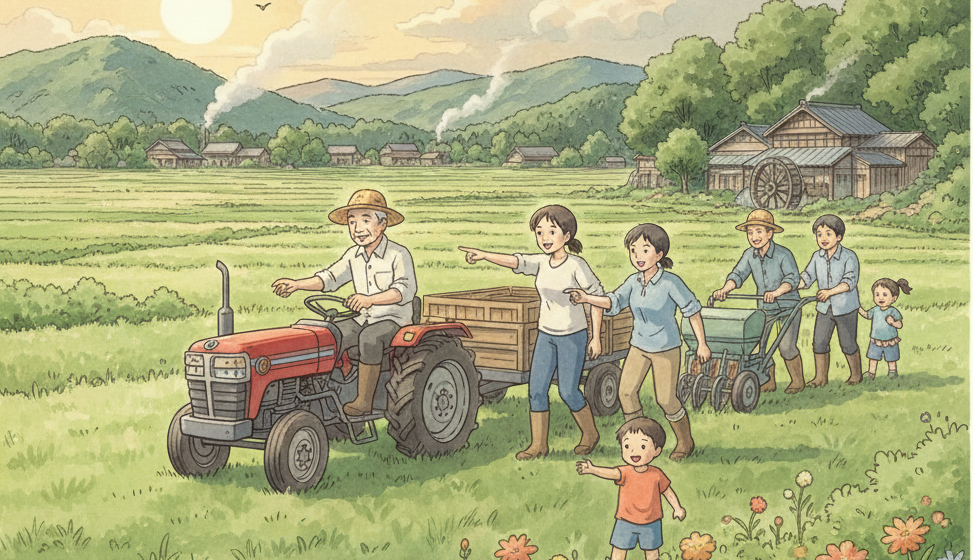
→ Machinery rental models are becoming an essential part of modern, cost-effective farming, especially for small and medium-scale farmers. Instead of investing large amounts of money in purchasing tractors, harvesters, or specialized equipment, farmers can now rent machinery based on their needs and farming seasons. This approach helps reduce financial pressure, improves access to modern technology, and ensures timely farm operations. Machinery rental allows farmers to focus on productivity and crop quality rather than maintenance and ownership costs. By choosing the right rental model, farmers can optimize expenses, improve efficiency, and adapt more easily to changing agricultural demands and market conditions.
➡️ Key Points / Benefits
→ Reduces high upfront investment in farm machinery
→ Provides access to modern and advanced equipment
→ Supports timely completion of farm operations
→ Lowers maintenance and repair responsibilities
→ Improves overall farm productivity and efficiency
→ Helps farmers scale operations without financial risk
🔵 1️⃣ → Understanding Machinery Rental Models in Agriculture
Machinery rental models allow farmers to use agricultural equipment for a specific period by paying a rental fee instead of owning the machinery. These models are designed to meet diverse farming needs and budgets.
Common rental models include:
- Hour-based or day-based rentals
- Seasonal or crop-cycle rentals
- Cooperative or shared ownership rentals
Step-by-step process:
- Identify the machinery required for specific farm tasks
- Compare rental options and service providers
- Select a rental period based on farm schedules
This system helps farmers use the right machine at the right time without long-term financial commitments, making farming more flexible and efficient.
🔵 2️⃣ → Cost Savings and Financial Efficiency Through Rentals
One of the strongest advantages of machinery rental is significant cost savings. Buying machinery involves purchase costs, insurance, storage, fuel, and regular maintenance, which can strain a farmer’s budget.
Financial benefits of rentals include:
- No large upfront capital investment
- No long-term repair or depreciation costs
- Predictable and manageable expenses
Practical example:
- Renting a combine harvester for harvest season avoids the expense of owning equipment used only a few days each year
By converting fixed costs into variable costs, farmers can better manage cash flow and reduce financial risk.
🔵 3️⃣ → Timely Farm Operations and Increased Productivity
Agricultural productivity depends heavily on completing operations at the correct time. Delays in land preparation, sowing, or harvesting can reduce yields and quality. Machinery rental models help farmers overcome labor shortages and time constraints.
Advantages include:
- Quick access to machinery during peak seasons
- Trained operators for efficient execution
- Faster completion of labor-intensive tasks
Mistakes to avoid:
- Waiting until the last moment to book machinery
- Choosing unreliable service providers
Actionable tip:
- Plan farm activities in advance and reserve machinery early
Timely operations improve crop performance and overall farm output.
🔵 4️⃣ → Access to Advanced Technology Without Ownership Burden
Machinery rental models provide access to modern farming technology that many farmers cannot afford to buy. Advanced equipment improves precision, efficiency, and sustainability.
Examples of advanced machinery available through rentals:
- Precision seeders and planters
- GPS-enabled tractors
- Modern harvesting and spraying equipment
Practical guidance:
- Choose rental providers with well-maintained machines
- Ensure operators are trained and experienced
Access to advanced tools helps reduce input waste, improve yields, and adopt better farming practices without ownership challenges.
🔵 5️⃣ → Choosing the Right Rental Model for Sustainable Farming
Selecting the correct machinery rental model is essential for long-term success. Farmers should consider farm size, crop type, frequency of use, and budget before choosing a rental option.
Dos and don’ts:
- Do compare rental costs and service quality
- Do schedule machinery based on crop cycles
- Don’t rent unnecessary equipment
- Don’t ignore maintenance and safety checks
Monitoring advice:
- Track rental expenses and yield improvements
- Evaluate service providers after each season
Proper selection and monitoring help farmers maximize benefits while supporting environmentally and economically sustainable farming.
➡️ CONCLUSION
→ Machinery rental models play a crucial role in making farming more affordable, flexible, and efficient. By reducing the need for heavy investment, rentals allow farmers to access modern equipment, complete operations on time, and improve productivity. These models support better financial planning and enable farmers to scale operations gradually. With careful planning, reliable providers, and regular performance monitoring, machinery rentals can become a powerful tool for cost-effective and sustainable farming. Adopting this approach helps farmers stay competitive while managing risks and resources more efficiently.