➡️ INTRODUCTION
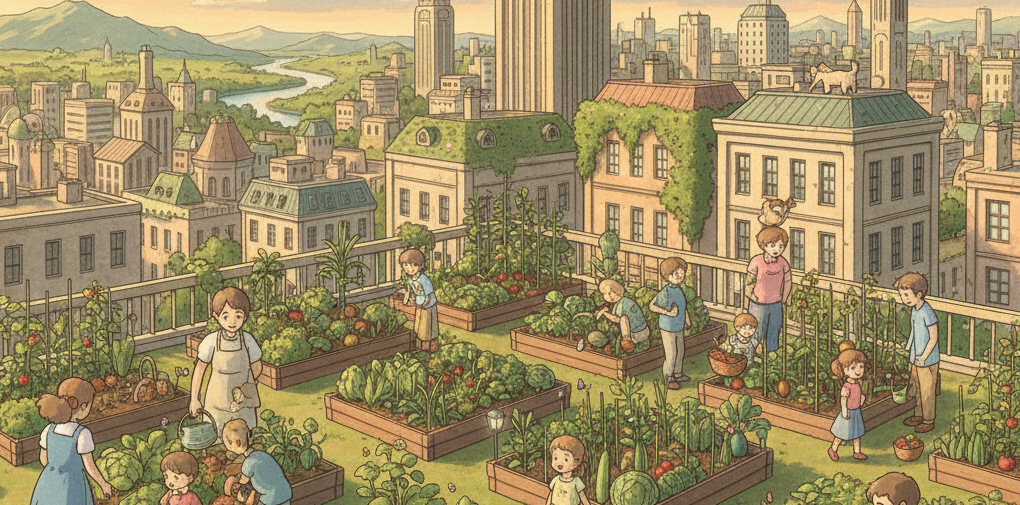
→ Urban and terrace farming is a modern approach to growing food in limited spaces such as rooftops, balconies, courtyards, and small backyards. As cities expand and open land becomes scarce, this method allows people to grow fresh vegetables, fruits, and herbs close to where they live. It matters because it promotes food security, reduces dependence on market supply, and encourages a healthier lifestyle. Urban and terrace farming also helps utilize unused spaces efficiently while improving air quality and reducing heat in cities. By following proper techniques, beginners and experienced growers alike can enjoy fresh produce, save money, and contribute to a more sustainable urban environment.
➡️ Key Points / Benefits
→ Makes efficient use of unused urban spaces like terraces and balconies
→ Provides fresh, chemical-free vegetables at home
→ Reduces household food expenses over time
→ Improves urban environment and reduces heat impact
→ Encourages healthy habits and sustainable living
🔵 1️⃣ → Choosing the Right Space and Layout
Selecting the right space is the first step in successful urban and terrace farming. The area should receive sufficient sunlight, have good airflow, and be structurally safe for added weight. Most vegetables need at least 5–6 hours of direct sunlight daily.
Step-by-step guidance:
- Identify areas with maximum sunlight exposure
- Check roof or balcony strength before placing containers
- Plan walking space for easy maintenance
Practical tips:
- Use vertical racks or wall planters to save space
- Group plants with similar light and water needs
- Ensure easy access to water
A well-planned layout makes farming easier and improves plant growth.
🔵 2️⃣ → Selecting Suitable Crops for Urban Farming
Not all crops are suitable for small spaces, so choosing the right plants is important. Leafy greens, herbs, and compact vegetables perform well in containers and grow quickly.
Good crop options include:
- Leafy greens like spinach, lettuce, and fenugreek
- Herbs such as basil, mint, coriander, and thyme
- Vegetables like tomatoes, chilies, brinjal, and beans
Benefits of smart crop selection:
- Faster harvest cycles
- Better yield in limited space
- Easier pest and disease control
Start with easy-to-grow crops and gradually experiment with others as confidence grows.
🔵 3️⃣ → Soil, Containers, and Growing Media
Healthy soil is essential for productive urban and terrace farming. Since plants grow in containers, the quality of the growing media directly affects plant health and yield.
Key points to follow:
- Use lightweight containers with proper drainage holes
- Choose grow bags, clay pots, or recycled containers safely
- Prepare a balanced growing mix
A simple growing mix may include:
- Garden soil or coco peat
- Compost or vermicompost
- Sand or perlite for drainage
Mistakes to avoid:
- Using heavy soil that blocks drainage
- Reusing old soil without treatment
Good growing media ensures strong roots and healthy plant growth.
🔵 4️⃣ → Watering, Nutrition, and Plant Care
Proper watering and nutrition are crucial in urban farming because container plants dry out faster than ground-grown plants. Overwatering and underwatering are common mistakes.
Practical guidance:
- Water plants early morning or evening
- Check soil moisture before watering
- Avoid water stagnation in pots
Nutrition tips:
- Use compost tea or organic liquid fertilizers regularly
- Apply nutrients in small, frequent doses
- Observe plants for deficiency signs like yellowing leaves
Regular care such as pruning, staking, and removing dead leaves helps maintain healthy plants and improves yield.
🔵 5️⃣ → Pest Management, Safety, and Monitoring
Urban farming requires careful pest management without harming the environment or household members. Natural and preventive methods work best in small-scale setups.
Step-by-step pest control approach:
- Inspect plants regularly for early signs of pests
- Remove affected leaves manually when possible
- Use natural sprays like neem-based solutions
Dos and don’ts:
- Do keep the area clean and clutter-free
- Do rotate crops to reduce pest buildup
- Don’t use harsh chemical pesticides
- Don’t ignore early pest symptoms
Monitoring plant health regularly helps prevent major problems and ensures steady production.
➡️ CONCLUSION
→ Urban and terrace farming is a practical and rewarding way to grow fresh food in limited city spaces. With proper planning, suitable crop selection, healthy soil, and regular care, anyone can successfully maintain a small home garden. This approach not only reduces food costs but also supports a healthier lifestyle and a greener urban environment. By starting small, learning from experience, and following sustainable practices, urban residents can turn unused spaces into productive green areas and enjoy the long-term benefits of home-grown produce.