➡️ INTRODUCTION
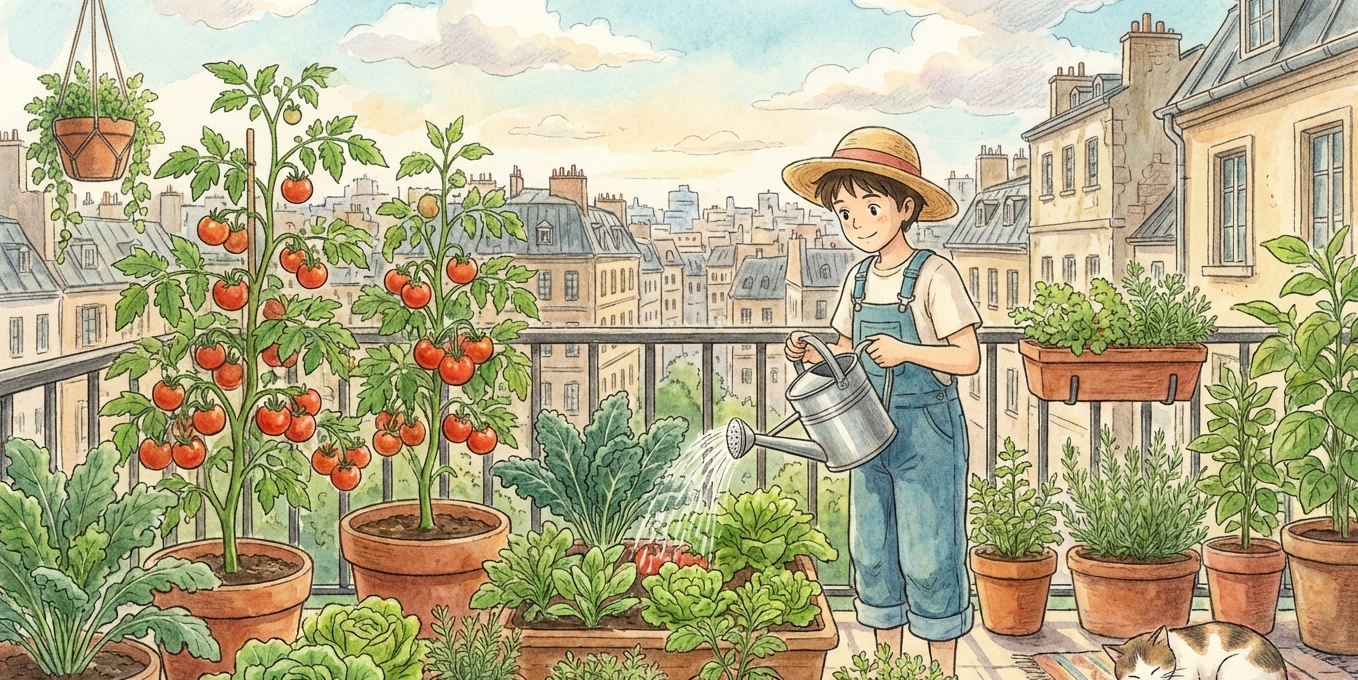
→ Growing vegetables successfully in small urban spaces is becoming increasingly important as cities expand and living spaces shrink. Balconies, rooftops, terraces, windowsills, and small courtyards can all be transformed into productive vegetable gardens with the right approach. This practice matters because it helps people access fresh, healthy food, reduces dependence on market supplies, and makes better use of unused spaces. Small-scale urban vegetable growing also promotes sustainability by lowering food transport needs and household expenses. With proper planning, suitable crop selection, and basic care, even beginners can enjoy steady harvests and the satisfaction of growing their own vegetables at home.
➡️ Key Points / Benefits
→ Makes productive use of limited urban spaces
→ Provides fresh, home-grown vegetables year-round
→ Reduces grocery expenses over time
→ Encourages healthy eating and lifestyle habits
→ Supports environmentally friendly and sustainable living
→ Builds basic gardening skills with low investment
🔵 1️⃣ → Planning Space and Sunlight Effectively
Proper planning is the foundation of successful vegetable growing in small urban areas. Most vegetables require sufficient sunlight, airflow, and easy access for daily care. Before planting, observe how sunlight moves across your space during the day.
Step-by-step guidance:
- Identify areas receiving at least 5–6 hours of sunlight
- Check weight limits for balconies or rooftops
- Arrange containers to allow air circulation
Practical tips:
- Use vertical shelves or hanging planters to save floor space
- Place taller plants behind shorter ones to avoid shading
- Keep walking space for watering and maintenance
Good planning ensures healthier plants and better yields in limited areas.
🔵 2️⃣ → Choosing the Right Vegetables for Small Spaces
Selecting suitable vegetables is essential when space is limited. Compact, fast-growing, and container-friendly crops perform best in urban environments. Beginners should start with easy vegetables that require minimal care.
Recommended vegetables include:
- Leafy greens like spinach, lettuce, and mustard greens
- Herbs such as coriander, basil, mint, and parsley
- Vegetables like tomatoes, chilies, beans, radish, and okra
Benefits of smart crop selection:
- Faster growth and harvest cycles
- Better yields in small containers
- Lower risk of pests and diseases
Avoid large root crops unless sufficient depth and space are available.
🔵 3️⃣ → Soil, Containers, and Growing Medium
Healthy soil is crucial for successful vegetable growth, especially in containers. Since plants rely entirely on the growing medium, it must be well-balanced, lightweight, and rich in nutrients.
Key points to follow:
- Choose containers with proper drainage holes
- Use grow bags, clay pots, or food-safe recycled containers
- Avoid compacted or heavy garden soil
A balanced growing mix may include:
- Coco peat or garden soil for structure
- Compost or vermicompost for nutrients
- Sand or perlite for drainage
Mistakes to avoid:
- Overfilling containers without drainage
- Reusing old soil without replenishing nutrients
Good soil management supports strong roots and consistent vegetable growth.
🔵 4️⃣ → Watering, Nutrition, and Daily Care
Vegetables in containers require regular watering and proper nutrition because they dry out faster than ground-grown plants. Consistency is more important than quantity.
Practical watering tips:
- Water early in the morning or late evening
- Check soil moisture before watering
- Avoid waterlogging by ensuring proper drainage
Nutrition guidance:
- Apply organic compost every 2–3 weeks
- Use liquid organic fertilizers in small doses
- Watch for signs of nutrient deficiency, such as pale leaves
Daily care like pruning, staking, and removing damaged leaves helps maintain plant health and improves productivity.
🔵 5️⃣ → Pest Control, Harvesting, and Monitoring
Pest management and regular monitoring are essential for healthy vegetable plants in urban settings. Early detection prevents serious damage and reduces the need for intervention.
Step-by-step pest management:
- Inspect plants regularly for pests or leaf damage
- Remove affected leaves by hand when possible
- Use natural solutions such as neem-based sprays
Dos and don’ts:
- Do keep the growing area clean and organized
- Do rotate crops to reduce pest buildup
- Don’t overuse any treatment
- Don’t delay harvesting ripe vegetables
Harvest vegetables at the right stage to encourage continued production and better taste.
➡️ CONCLUSION
→ Growing vegetables successfully in small urban spaces is practical, rewarding, and achievable with the right methods. By planning space carefully, choosing suitable crops, maintaining healthy soil, and providing regular care, anyone can enjoy fresh vegetables at home. This approach not only saves money but also supports a healthier lifestyle and a more sustainable urban environment. Starting small, learning through experience, and staying consistent are the keys to long-term success. With simple tools and mindful practices, urban residents can turn even the smallest spaces into productive vegetable gardens.