➡️ INTRODUCTION
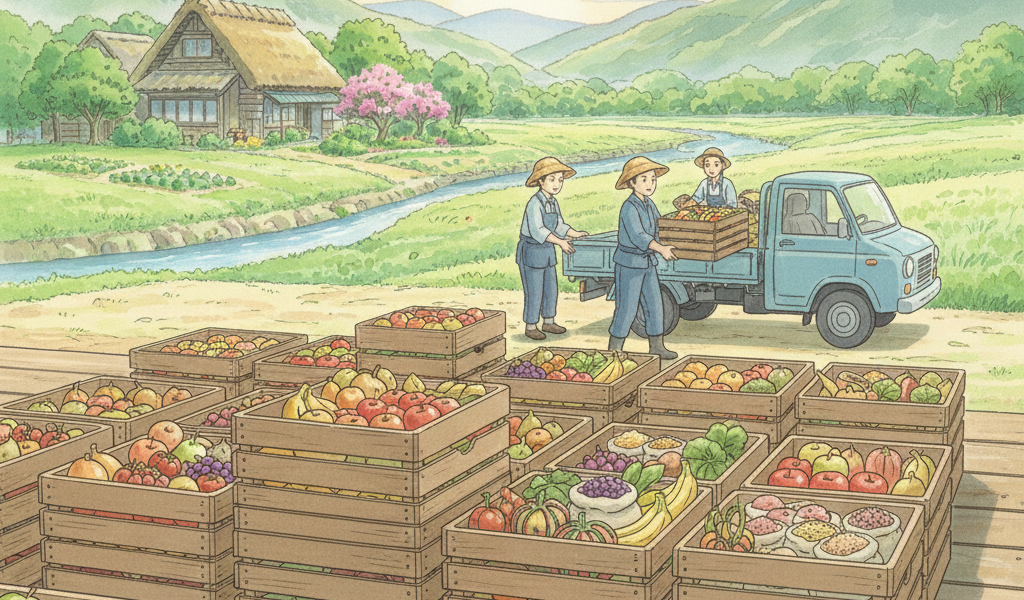
→ Post-harvest handling techniques play a critical role in determining the final quality, safety, and market value of agricultural produce meant for export. Even crops grown with the best farming practices can lose value if they are poorly handled after harvest. For export-oriented farmers, traders, and agribusinesses, proper post-harvest management helps reduce losses, meet international quality standards, and secure better prices in global markets. By applying the right techniques, producers can extend shelf life, maintain freshness, and protect nutritional value. This article explains practical post-harvest handling methods that increase export value and help build long-term trust with international buyers while improving overall profitability.
➡️ Key Points / Benefits
→ Reduces post-harvest losses and waste during storage and transport
→ Maintains product quality, freshness, and appearance for export markets
→ Helps meet international food safety and quality standards
→ Increases shelf life and marketability of agricultural products
→ Improves buyer confidence and enables access to premium markets
→ Supports higher export prices and long-term business growth
🔵 1️⃣ → Harvesting at the Right Maturity Stage
Harvesting crops at the correct maturity stage is the foundation of effective post-harvest handling. Produce harvested too early may lack flavor and size, while overripe crops are more prone to damage and spoilage during transport. Export markets often have strict maturity and quality requirements, making timing crucial.
Key practices include:
- Identifying export-specific maturity indicators such as color, size, firmness, or sugar content
- Harvesting during cooler hours of the day to reduce field heat
- Using clean, sharp tools to avoid physical damage
- Training workers to handle produce gently during harvest
Correct harvesting ensures better shelf life, consistent quality, and higher acceptance rates in international markets.
🔵 2️⃣ → Proper Cleaning and Sorting Methods
Cleaning and sorting are essential steps to prepare produce for export. Removing dirt, plant residues, and damaged items improves appearance and reduces the risk of contamination. Sorting helps create uniform batches that meet buyer specifications.
Effective methods include:
- Washing produce with clean, potable water or approved sanitizing solutions
- Removing damaged, diseased, or undersized items immediately
- Sorting by size, weight, color, and quality grade
- Allowing produce to dry properly before packing
Proper cleaning and sorting enhance visual appeal, reduce rejection rates, and help comply with food safety regulations in importing countries.
🔵 3️⃣ → Temperature and Humidity Management
Temperature and humidity control are critical to slowing down spoilage and preserving freshness. Many fruits, vegetables, and grains are highly sensitive to heat and moisture changes after harvest.
Best practices include:
- Pre-cooling produce soon after harvest to remove field heat
- Storing crops at recommended temperatures specific to each commodity
- Maintaining appropriate humidity levels to prevent dehydration or mold growth
- Avoiding temperature fluctuations during storage and transport
Consistent temperature and humidity management can significantly extend shelf life and maintain quality throughout the export supply chain.
🔵 4️⃣ → Export-Grade Packaging and Labeling
Packaging protects produce from physical damage, contamination, and moisture loss during handling and transportation. Export markets often require specific packaging standards to ensure safety and traceability.
Important considerations include:
- Using food-grade, durable, and ventilated packaging materials
- Choosing packaging sizes suitable for long-distance transport
- Adding protective layers such as padding or liners where needed
- Including clear labels with product details, origin, batch number, and handling instructions
High-quality packaging not only preserves product condition but also enhances brand image and buyer confidence.
🔵 5️⃣ → Safe Storage, Transportation, and Monitoring
The final stages of post-harvest handling involve safe storage and efficient transportation to export destinations. Poor handling during these stages can undo all earlier efforts.
Key steps include:
- Storing produce in clean, pest-free facilities
- Using refrigerated or climate-controlled transport when required
- Monitoring temperature and humidity during transit
- Avoiding rough handling, overloading, or long delays
Dos and don’ts:
- Do maintain hygiene standards throughout the supply chain
- Do inspect produce regularly for spoilage
- Don’t mix incompatible products in the same storage area
- Don’t ignore documentation and export compliance requirements
Proper monitoring ensures product quality remains intact until it reaches the buyer.
➡️ CONCLUSION
→ Post-harvest handling techniques are essential for increasing the export value of agricultural products. From harvesting at the right maturity stage to careful cleaning, temperature control, packaging, and transportation, each step directly impacts quality and market acceptance. By adopting these practical practices, exporters can reduce losses, meet international standards, and build a strong reputation in global markets. Consistent implementation, worker training, and regular monitoring help ensure long-term success. Farmers and agribusinesses that invest in proper post-harvest handling not only protect their produce but also unlock higher returns and sustainable growth in export-oriented farming.